
How-to never miss a beautiful sunset

How to Predict and Catch Perfect Sunsets Every Time
Catching a brilliant sunset comes down to timing. If you have ever rushed to a great viewpoint only to find a dull, gray haze, or arrived just a few minutes after the best colors faded, you know that it takes a bit of planning. Fortunately, you do not have to guess when or where the sky will light up.
Whether you want a great photo or just want to unwind at the end of the day, tracking a few simple weather metrics can completely change your results. Here is how to predict, find, and enjoy the best views.
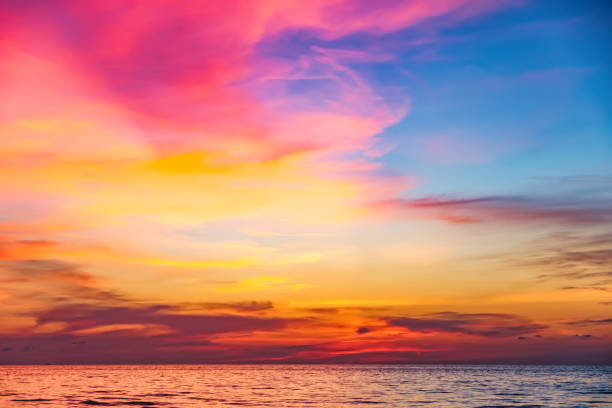
1. Look for High-Altitude Clouds
A completely clear sky usually makes for a plain sunset. To get deep pinks, fiery oranges, and rich purples, you need clouds to catch the light. However, specific types of clouds yield the best results:
- Ideal Clouds: High-altitude and mid-altitude clouds, like cirrus or altocumulus, are perfect. These look like wispy lines or small ripples. Because they sit high up, they catch the sun’s rays long after it dips below the horizon from our vantage point on the ground.
- Clouds to Avoid: Low, thick, heavy cloud cover will block the sun entirely. If the western horizon is hidden by a solid wall of gray, the sunlight cannot break through, leaving you with a dull fade instead of a vibrant show.
2. Track Key Weather Metrics
To accurately predict a great sky, look beyond standard temperature forecasts and keep an eye on three specific metrics:
- Humidity: Lower humidity typically yields crisper, brighter colors. High humidity scatters the light too densely, making the sky look washed out or hazy.
- Clean Air: Some of the best sunsets happen right after a rainstorm clears. Rain washes dust and heavy particles out of the air, allowing clean light to cut through beautifully.
- Wind Speed: High winds at upper levels create dramatic cloud textures, while calm winds at the surface keep water completely still for great mirror reflections.
3. Automate Your Timing with All Weather Mode
The most common mistake is guessing when the sun actually goes down. Sunset times shift by a minute or two every day, so a tiny miscalculation can cause you to miss the peak glow entirely.
All Weather Mode: Weather Home simplifies this tracking.
Instead of opening a slow browser window or digging through a menu, the Sunrise & Sunset Times feature is built right into your Android home screen. Swiping into the launcher's side feed gives you a quick look at local daylight hours alongside your full forecast.
The launcher uses automatic location tracking, updating instantly whether you are at home or traveling. You can see exactly how many minutes of daylight are left, making it easy to plan evening walks, photos, or outdoor dinners before dark.
4. Wait for the Afterglow
Many people watch the sun drop below the horizon, pack up their gear, and leave. Doing this means you miss the best part of the evening.
The most intense colors often show up 15 to 25 minutes after the official sunset time. This is known as the afterglow. Once the sun is below the horizon, light bounces upward and strikes the underside of high clouds, creating deep reds, pinks, and purples that were not visible moments before.
Next time you head out, check the exact sunset time on your All Weather Mode launcher and plan to stay at least 20 minutes past that mark.
5. Quick Tips for Phone Photography
If you are taking photos, keep these simple composition choices in mind:
- Find a Foreground Subject: A colorful sky is great, but adding a silhouette of a tree, a pier, or a building gives the photo depth and scale.
- Lower the Exposure: Phone cameras often try to brighten dark foregrounds automatically, which washes out the sky. Tap the brightest part of the sunset on your screen, then slide the exposure icon down. This deepens the silhouettes and highlights the true colors.